Articles & Industry Insights
Expert analyses on freight forwarding, supply chains, export opportunities, and B2B digital commerce in Pakistan.
Performance of Banking Sector in Pakistan
It is a matter of satisfaction that while some of the sectors like external sector of the country are in a very poor shape, the financial sector of the economy is doing exceptionally well. According to the latest Quarterly Performance Review (QPR) of the banking sector for the quarter ended 31st December, 2017, released by the State Bank of Pakistan, improving asset quality, stable liquidity, robust solvency and slow pick-up in private sector advances were the key developments during the last quarter of CY17. The asset base of the banking sector had expanded by 4.5 percent during the quarter. Strong demand from textile and cement sectors had improved gross advances to private sector by 7.3 percent on a quarterly basis and 16.4 percent on a yearly basis despite retirement of credit in chemical and pharmaceutical sectors. Besides, banks had mostly invested in short-term MTBs while investment in PIBs and Sukuk had declined. Moderate growth in deposits and higher inter-bank borrowings had supported the funding needs of banks.The risk profile of the banking sector had remained satisfactory and moderation in profitability and asset quality had improved as NPLs to gross loans (infection) rate was recorded at only 8.4 percent at the end of December, 2017, touching the lowest level in a decade. The banking sector earned profits (before tax) of Rs 266.8 billion during October-December, 2017, with an ROA of 1.6 percent and an ROE of 19.5 percent. Net Interest Income (NII) had improved due to high growth in advances during the last few years while Capital Adequacy Ratio (CAR) of the banking sector had gone up to 15.8 percent which is well above the minimum required CAR of 11.275 percent.The news that almost all the indicators of the banking sector are showing a robust performance is a very healthy development for the economy of the country. This is so because the banking sector plays a critical role in mobilising savings from households spread all over the country and placing them at the disposal of entrepreneurs. The efficiency with which it could play the role of financial intermediation between savers and investors would determine the rate of economic growth of a country and its employment generating potential. Another positive development is that Pakistan's banking system is not far behind the developed countries' in promoting innovative techniques and upgrading skill level within the banking system. Efforts have also been made in Pakistan to make the banking system more inclusive and focus its lending activities on the SMEs and agriculture sector, which is the need of the hour. A well above the minimum prescribed ratio CAR and a very satisfactory risk profile constitute developments that are also worthy of note. This will ensure that the banks in the country would continue to remain solvent, giving added confidence to the savers that, unlike in some other countries, the banks in Pakistan would not default and their savings would continue to be safe. It may, nonetheless, be mentioned that savings and investments in the country are low because of lower saving potential of the households due to lower per capita income and not due to poor quality of banking services in Pakistan.However, there are two areas which need to be attended to urgently by the banking authorities to increase the development prospects of the country. Firstly, spreads between the deposit and lending rates need to be reduced and profits on deposits may be particularly increased so as to encourage the depositors to save more rather than consume. And secondly, the investment in gilt-edged securities like MTBs, PIBs and Sukuk need to be substantially reduced in order to advance more credit to the private sector to accelerate economic growth.Source : Business Recorder
Role of Freight Forwarding and Logistics Industry in Pakistan
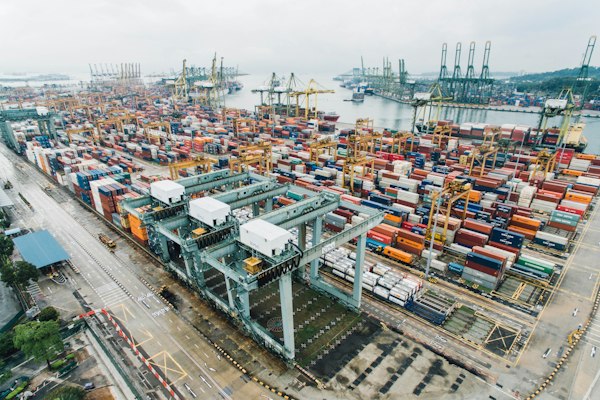
Freight Forwarding and Logistics Industry plays a vital role in the overall economy of our Country. Logistics Service Providers assist trade in all processes including sea freight, air freight, custom clearance, warehousing, road transportation, rail transportation, packaging, warehousing and other allied value added services. In global context efficient Freight Forwarding and Logistics Industry is back bone of any economy. It plays a significant role in eliminating wastages and makes the process efficient for the availability of right product at the right time at an economical cost. Pakistan, being an agro based country, can easily increase its exports by 30% which as of today turn into wastages due to insufficient logistics system. Reputable freight forwarding players with their presence around the globe bring significant concept of an economic value added services to the customers by coordinating at both ends i.e. Supplier and Customer. This result in cheaper freight rate options, providing updated information and ensuring the product reaches at the right time. Keeping in view its significance, this segment of the economy needs to be recognized as a proper industry to build around certain parameters and frame work to regulate the business. As of today this is not a regulated function as an industry and there are no pre-requisites to enter into the field. An effort has been made to bring the reputable players on one platform and "Pakistan International Freight Forwarding Association - PIFFA" acts as a recognized representative body of this Industry. INTRODUCTION OF FREIGHT FORWARDING & LOGISTICS INDUSTRY In trade the term "Logistics" depict broad range of activities concerned with the efficient movement of finished products from the end of production line to the consumer, and in some cases includes movement of raw materials from source of supply to the beginning of the production line. These activities include freight management, transportation, warehousing, materials handling, protective packaging, inventory control, order processing, market forecasting, and customer service. The freight forwarder is the entity which moves goods from point of origin to overseas point of destination and ensures that internationally traded merchandise arrives in good time, in safe condition and at the most economical cost. Specifically, freight forwarding firms arrange transportation from shipper's factories or warehouse to ports, packing or consolidation of cargo if necessary according to the customer's needs, documentation, customs clearance, transportation (land, sea and air or combination thereof), unpacking or deconsolidation if required and delivery at customer designated location(s). The traditional concept of moving the cargo on C&F basis is something which has changed around the world and the end customer now wants to take control directly from suppliers' factory to ensure that there are no wastages in the complete movement by having control over every action; resulting in economical freight, timely receipt of documentation, complete shipment status and achieving the best possible time for the cargo movement.This is only possible with the role of a Freight Forwarder who acts on behalf of customer and ensure that all these activities are coordinated and one-stop shop solution is provided to end customers.The international freight forwarding industry emerged in Pakistan in the early 1980s. Initially, the industry comprised of few firms catering to a niche market; shipments of plants and machinery for the expanding weaving sector of the textile industry, household packing companies assisting families re-locating overseas and multilateral agencies providing food supplies under aid or emergency programs. The industry's growth remained subdued in early years largely due to client's reluctance to risk overseas business relationships by placing their consignments in the hands of an unknown market entity. The industry subsequently gained acceptance as an intelligent intermediary between local exporters, importers and shipping lines. Growth in the country's international trade, the growing trend towards containerization and increasing market realization of tangible benefits of international freight forwarding services were the major factors driving industry growth. A strong freight forwarding industry is imperative if the country is to capitalize on emerging opportunities as well as enhancing the efficiency of vulnerable industries. The complexities of global trade practices comprising of multi-modal transportation, cargo consolidation at regional hubs, distribution at destinations and multiple documentation have increased the importance of intermediaries providing logistics solutions. Today the role of Freight Forwarder can be summarized as follows:- Air Freight / Sea Freight / Land Transportation -- Consolidation denote combining cargo of many consignees into one lot and then prepare it for shipping is better known as consolidation in the freight industry. This includes sea, air and road freight. Consolidation service typically involves the cargo transportation to the stuffing point, stuffing of cargo in container, custom process of shipping documents, and finally re-packing if necessary for delivery. -- Buyer's Consolidation for international buyers like GAP, IKEA, Nike, Walmart, JC Penny and others where there are multiple shippers and one consignee. -- Direct-to-Store products like managing the export of Hanging Garments -- Origin Cargo Management (OCM) - arranging inland transportation from the origin, coordination with vendors, consolidation of cargo at consolidation points, QC inspection, labeling / bar coding, stuffing and shipping as per buyer's reference. -- Warehousing - offering storage services with complete inventory management through modern IT based WMS meeting desired criteria of customers like FIFO, LIFO, FEFO and LEFO; Batch / Lot expiry control and ABC analysis.-- Bonded Warehousing Services - offering storage spaces for custom bonded cargo -- Cold Storages - offering cold storage warehouses for temperature controlled cargo of different industries. -- Reefer Transportation Services - offering transport services to cold chain products covering FMCG, Pharmaceutical and Agro sector business. -- Fuel and Liquid Transportation - offering services for liquid transportation to OMCs (Oil marketing Companies) like Shell, PSO etc. and Liquid Chemical Transportation. -- Expo and Event Logistics - offering services for managing complete logistics for Expo Goods for Exports of Pakistan. For international Expos, Freight Forwarders work in collaboration with TDAP. Freight Forwarders also play key role in exhibitions like IDEAs. -- Fruits and Vegetable Processing Centers - with the induction of modern retail chains like Metro and Carrefour this is another avenue taken care by Freight Forwarding companies to provide clean and properly processed Fruits and Vegetables to customers. -- Supply Chain Consultancy Services - offering solutions for many local and international companies to design and address their Supply Chain needs.- Project Logistics - Moving complete Plant and Machinery from the site of origin, transportation it to relevant sea port / airport, custom clearance, arranging vessel / airline as per the cargo dimensions, shipping it to destination, custom clearance, arranging special transportation equipment to move it to the installation sites and offloading to specific installations areas. In practice, freight forwarders have become important multimodal transport operators; they have moved away from their traditional role as agents for the sender, accepting a greater liability as carriers. In Pakistan there is much to be desired and lot of room for advancement of Freight Forwarder. Much of the role in the country has been driven by the needs of international buyers or the policy decision derived from the international peers of multi-national organizations. The local market still needs to go a long way to capitalize on the role of Freight Forwarder. The concept of C&F is still dwelling around our local industries/merchants whereby the freights are paid as per the Shipper's demand, delays in documentation leading to detentions and demurrages and less or no track on shipment status. Similar to modern economies, the realization of the effective role of Freight Forwarder needs to be further recognized to bring the cost efficiencies and process efficiencies in the system. ROLE IN TRADE FACILITATION Economic importance of Pakistan's international freight forwarding industry. The international freight forwarding industry is the largest contributor to Pakistan's GDP in service sector. The importance of the industry lies in managing the logistics of the country's international trade. The services provided by international freight forwarding companies facilitate exports including textile, cotton / CP Goods and its made-ups, leather and leather goods, sports goods, surgical, rice, fruits and vegetable and seafood which collectively generate over 80% of the country's foreign exchange earnings. At the same time, imports handled by the industry ensure uninterrupted flows of industrial raw materials, plant and machinery, spares and components to maintain industrial production at competitive costs. A country like Pakistan where there is an imbalance of trade, there is more drain of our foreign reserves compared to our inflows due to negative exports. The segment of our imports can easily be categorized into two major segments i.e. Raw Materials and Finished Goods. Much needs to be done to decrease outflows of our foreign reserves. The area where Freight Forwarding Industry can play its vital role is to bring the cost advantages in terms of Freight and improvising on the process to decrease the lead time of entire chain. Some of the key elements that can bring direct and indirect savings to our foreign reserves are as follows: 1) Global Freight Buying with Shipping Lines accrues in cheaper rate quotes both on Import and Export Cargo. 2) Consignees can get quote in the local country rather than relying on the information of their overseas shippers. 3) Payment of the Freight can be made once the shipment arrives in the country rather arranging advance payment against LC thus directly affecting cash flows. 4) Freight Forwarders are in direct coordination with their corresponding offices to ensure the availability of documents on time and thus avoiding negative costs like detention and demurrages. 5) Complete tracking of shipment to ensure that it reaches on time and customer is aware about the complete status of the shipment. Global competitiveness Logistics costs play an important role in determining any country's competitiveness in the global market. Research has established that such costs vary from 10% to 30% between countries depending on the efficiency of their transportation and international freight forwarding services. In many countries, an inefficient logistics infrastructure imposes far greater economic cost than tariff barriers restricting market access. The role of the international freight forwarder as the "architect of efficient logistics" is gaining increasing importance as global trade becomes driven by competitive market forces. Countries with the capacity to ensure timely and secure transportation of goods between their primary producers and ultimate consumers are likely to win increasing market share in the emerging world trade environment. An efficient logistics cycle is very important to cut down wastages in terms of inefficiencies and wastages resulting in direct savings to the valuable foreign exchange of the country. Current Trends in Logistics Practice World-wide During last decade, several trends have stimulated interest in developing logistics and supply chain management. First, the manufacturers have now realized that logistics function could play a prominent role as a strategic tool in gaining competitive advantage. Consequently, the tendency towards keeping low inventories to reduce the cost of storage, as underlined by the production concepts like Just-In-Time and Zero-Inventory became obvious. Thus, logistics activities have become a concern of CEOs, CFOs and MDs of many companies, rather than the logistics managers previously. Second, the outsourcing of the production function has also led to the outsourcing of logistics activities. Many multinational companies, such as the automobile, electronic and electrical companies etc. have outsourced their logistics activities to third party logistics (TPL) service providers to enable them focus on core business. Investments Cash flow management is a major challenge for international freight forwarders. This is because in some cases shipping companies extend about 15 days credit while clients usually stretch payments up to 60 days. To keep pace with the international competition freight forwarding companies have made major capital investments in infrastructure developments like warehouses, racking system, forklifts, stackers, IT equipment, transportvehicles of different configurations and specifications. Majority of the country's international freight forwarding companies outsources packaging, transportation, customs clearance and warehousing to vendor firms, however, the big players have now come up with their in-house sources for all such services. The anticipated growth in business over the medium term will necessitate more investment. However, pressure on profit margin combined with diversion of funds to finance working capital continues to hurt the industry's ability to accelerate investment. This represents a major barrier for the industry's future development. Human Resources The industry requires trained manpower to manage specialized tasks including multimodal logistic planning, sea freight and inland delivery, pricing, air freight, documentation and handling dangerous goods. The total labor force in the industry is estimated at about 20,000 full time employees. In addition, outsourcing generates indirect employment from allied activities including packaging, warehousing, and transportation handling at ports/container terminals and customs clearance at the ratio 1:3 translating into nonexclusive employment generation at three times the industry's workforce. To cope with shortages of trained professionals PIFFA Training Institute offer a 4 months Diploma program at its Karachi and Lahore training facilities and often conduct industry relevant workshops. CURRENT ISSUES FACED BY THE INDUSTRY Policy recommendations The government needs to recognize that, without a strong freight forwarding and logistics industry, ambitious export targets are unlikely to be achieved. The end of preferential access to developed markets under the emerging global trade environment makes it imperative for the government to view the international freight forwarding industry as part of the mainstream economy. The neglect of Freight Forwarding & Logistics Industry deprives the members with a proper regulatory structure and access to preferred financing facilities. Transit & Transshipment Procedures The country's geographic position gives it a strategic advantage in handling transit and transshipment trade for landlocked neighbors Afghanistan, Central Asian Republics and Western China (PRC). However, current custom transit rules are cumbersome and result in procedural delays hence Pakistan has been losing out on the increased goods traffic destined for Central Asia. Recent Government steps to implement TIR Convention and CPEC initiatives however are likely to increase business volumes for international freight forwarding companies resulting from enhanced transit trade flows. Infrastructure constraints The industry is negatively impacted by severe infrastructure constraints. Inefficiency at Ports, lack of covered storage facilities exposes merchandise to pilferage and weather hazards. These problems are further aggravated by limited working hours and document processing by multiple government agencies.Non- implementation of road load restrictions and over-loading are deteriorating and damaging infrastructure imposing maintenance cost. There is an urgent need for establishing additional container freight stations (CFS) since the existing stations are operating at full capacity. In addition, major infrastructure developments are required for warehousing, trucking and cold chain sector. Access to bank financing The industry's needs for working capital are increasing with growing business volumes. With the full implementation of WTO convention, overseas buyers will require delivery of ordered merchandise on duty paid terms. This will further enhance the capital requirements of freight forwarders. Conservative lending policies of commercial banks deprives the country's international freight forwarding industry of operating funds. Banks are only willing to extend credit on fully secured terms and at high interest rates and are generally averse to extending financing to services sector in Pakistan. Although the decision to lend is strictly a business prerogative, better appreciation of the industry and later on even some mechanism for credit rating would help companies access bank financing consistent with prudential criteria established by the central bank. Misconception of Freight Forwarding Role in Pakistan One of the key factors is the misinterpretation of role of Freight Forwarding in the local industry, mixing it with the concept of Shipping Industry. Freight is just one aspect of the Freight Forwarders' role. In any developed country it is the Freight Forwarding Industry that controls the complete flow of materials from ex-works to final destination offering multiple options. Conclusion The above defined roles exhibits that it has much broader role and carries a lot of value addition services for the entire Supply Chain. The role of freight forwarders is continuously evolving from being a mere freight forwarder to providing one-stop real and cost-effective supply chain solutions which includes all the activities pertaining to efficient movement of finished products from the end of the production line to the consumer, and in some cases movement of raw materials from the source of supply to the beginning of the production line. This has significantly resulted in trade facilitation which can bring direct and indirect savings to our foreign reserves and significant cost savings to customers by outsourcing logistics and bringing in international best practices to promote Pakistan's exports. In Global context efficient Freight Forwarding and Logistics Industry is back bone of any economy. It plays a significant role in eliminating wastages and makes the process efficient for the availability of right product at the right time at an economical cost. Pakistan, being an agro based country, can easily increase its exports by 30% which as of today turn into wastages due to insufficient logistics system. The local representative body of Freight Forwarders - PIFFA is playing instrumental role in realizing this function and ensuring that the defined rules and regulations are followed and the function is represented as a separate industry. Government's role is imperative towards the development of this sector by introducing and implementing policies conducive to logistics sector and economy. Compiled by: PIFFA Secretariat Copyright Business Recorder, 2018
IMPORTANCE OF INSURANCE
Broadly, there are two main channels through which the insurance sector can help the economic and social development of a country: first, by reducing uncertainty, and second, by generating long-term financial resources. Through the first channel, a well-functioning insurance sector facilitates the investment decision-making process and enables businesses to continue operating even if catastrophic events (such as earthquake, floods, and severe weather conditions, etc.) hit the economy. The latter, in turn, provides some protection to households by reducing probability of job and income losses. A developed and healthy insurance industry also protects households from any major financial losses resulting from idiosyncratic shocks such as fires, thefts, illness, accident and death, etc.The second channel, i.e. increasing supply of long-term financial resource, plays a vital role in economic development. Funds generated by the insurance industry are mainly invested in other financial instruments; especially in government securities, stocks, corporate debt and long-term certificates of deposits issued by other financial institutions. The insurance sector also plays a supportive role in the development of other financial institutions and markets. For example, both availability of funds and insurance facility, allow financial intermediaries to enter into new markets.From 2001 onwards, the insurance sector saw a consistent improvement in terms of structure and growth. Macroeconomic stability and high economic growth played a vital role in this regard. Specifically, higher per capita income, expansion in trade sector, and the growing private sector credit spurred the exceptional growth in the insurance sector. Importantly, this growth was broad-based, as both the life and non-life insurance sectors witnessed double-digit growth although life insurance sector continues to dominate the insurance industry.The concept of life Insurance has evolved from a primary emphasis on conventional insurance protection to a relatively advanced form of a savings product. Life insurance products enhance the role of insurance in an economy by helping in the: (1) mobilization of savings; (2) development of capital markets; and (3) facilitation of the pension system. Specifically, by entering into life insurance contracts, individuals or groups of individuals can save and invest effectively for long periods of time. Life insurance companies pool the periodic premium payments into huge investment portfolios of long-term securities, which in turn provide a stimulus for the development of the capital market. Also, the introduction of attractive pension products partly shifts the role of the government for pension provision to the private insurance sector. While most people do not like to discuss insurance considering it as an unpopular topic, insurance does benefit our economy in following ways:Makes businesses saferStimulates the economyEases business transactionsProvides recoveryProtects assets/purchases made by customersThe indemnification and risk pooling properties of insurance facilitate commercial transactions and the provision of credit by mitigating losses as well as the measurement and management of non- diversifiable risk more generally. Typically, insurance contracts involve small periodic payments in return for protection against uncertain, but potentially severe losses. Among other things, this income smoothing effect helps to avoid excessive and costly bankruptcies and facilitates lending to businesses. Most fundamentally, the availability of insurance enables risk averse individuals and entrepreneurs to undertake higher risk, higher return activities than they would do in the absence of insurance, promoting higher productivity and growth.On the investment side, due to the long-term nature of their liabilities, sizeable reserves, and predictable premiums, life insurance providers can serve an important function as institutional investors providing capital to infrastructure and other long-term investments as well as professional oversight to these investments. Of course, these benefits are fully realized only in markets where insurance providers invest a substantial portion of their portfolios domestically. Copyright Business Recorder, 2018
Directorate General of Trade Organisations
The Director General of Trade Organizations is working as an attached department of Ministry of Commerce, Government of Pakistan. It was established in 2007 after promulgation of Trade Organisations Ordinance, 2007, as a regulatory body to implement provisions of the aforesaid Ordinance. The Trade Organisations Ordinance, 2007 is enacted in the shape of Trade Organizations Act, 2013 on 22nd. February, 2013. The core function of this Directorate is to process the applications for grant of licenses and registration of trade bodies under the Act. It also oversees the elections and results of Office Bearers and Executive Committee members of trade bodies and ensures that Trade Organizations Act and Rules made thereunder are being followed in letter and spirit by the trade organizations. The Directorate General of Trade Organizations is located at State Life Building No 7 (2nd Floor), Blue Area, China Chowk , Islamabad.Human resource of the office at executive level is drawn mainly from amongst the core of Commerce and Trade Group officers who possess ample experience of working with the business community as a part of their job placement.The office is sufficiently equipped with the modern tools of communications like internet, fax and telephones. It is ready to accept all challenge for which it has been created.ObjectivesLicensing and regulating trade organizations strictly in accordance with the laid down criteria to block the emergence of fake trade organizations, which might defeat the purpose of the law.To build capacity of trade organizations and to make them truly Business Support Organizations (BSOs) within the defined parameters of the law.To review performance of trade organizations on regular basis to ensure that their resources are being utilized in accordance with the approved aims and objects.To ensure effective representations of all genders and business sectors at all levels in trade organizations by effectively monitoring the election process.To strengthen the dispute resolution mechanism in order to resolve disputes within trade organizations.To liaison with SECP, FPCCIs and other trade organizations to make them vibrant for the healthy trade activities in Trade.To build capacity of the Human Resource of the office to effectively perform their duties.
The role of stock exchange in the economic development of Pakistan
The role of the stock market is to raise long-term funds for corporations (primary market) while providing a platform for the trading of securities (secondary market). Stock exchanges encourage investment through pooling of resources, enabling corporations to obtain funds to expand their businesses. In Pakistan where the saving rate has remained sticky at under 15%, the importance of the stock exchange in aggregating savings and then channelizing them to meet the burgeoning investment requirements of the country cannot be overemphasised. Therefore, as an alternative to debt financing, the stock exchange as a whole facilitates productivity levels and hence economic growth, particularly in the present tough economic conditions, where asset pricing is under pressure and bankers have gone too cautious in lending. It is felt that there is a general ignorance regarding the essential role that Pakistan's stock exchanges are playing in achieving equitable, broad-based and sustainable economic development of the country. From a broader perspective the role of a stock exchange is vitally important for countries moving toward greater integration with the global economy. A functioning stock market makes it easier for firms to find sources of capital in both domestic and international capital markets. Case in point is the growing number of GDRs that allow foreigners to participate in local offerings without taking currency risk. In the last eight years, several blue chip Pakistani companies such as Oil & Gas Development Company (OGDC), MCB Bank Ltd (MCB), Pakistan Telecommunication Company (PTC), Hub Power Company (HUBC) and Lucky Cement (LUCK) have benefited from GDRs. Besides companies, this has been beneficial for the entire economy in many different ways. In the case of Pakistan, with per-capita incomes sticky at the US $1,000 mark, the stock exchange helps to create investment opportunities for small investors. They can own shares of the companies just like large investors, and enjoy similar rates of return. In this context, stock exchanges help in redistribution of wealth through stock price increases and dividends with investors getting the chance to share in the wealth of profitable businesses. A healthy trend in this regard is Online Trading which leads to greater awareness for retail participation and also enhances the benefits for a larger number of people. Simply put, any investor can access the stock market via the internet and without even calling up a broker become part owner of a business conglomerate and enjoy the proportionate benefits. The stock exchange also serves as an economic barometer and can give important signals to economic policy makers regarding how their decisions related to interest rates, taxes and currency volatility impacts different sectors of the economy. Historically, the KSE has been a leading indicator to changes in the real side of the economy and an effective predictor of growth. Indeed, the meltdown in CY08 did not come as a major surprise given the then-prevalent macroeconomic difficulties and the recent resurgence in the KSE certainly parallels rapid improvement in the economy. The stock exchange thereby helps both policy makers to adjust their actions and for regulators to effectively monitor. The stock exchange can also help the government as well as private sector to raise money through privatizations and GDR offerings. Government divestments in the last couple of years have indeed added color to the local stock exchanges and given them much needed float, depth and breadth. Since the initiation of economic & financial reforms in the early 90's the GoP has raised a total amount of PkR475bn through the successful privatisation of government enterprises especially those in the Financial and Oil & Gas sectors. This not only helped the Government raise much needed funds for priority spending on infrastructure development but also improved the financial performance and service quality of these companies by promoting greater level of competition. MAJOR PRIVATIZATIONS DEALS In the current backdrop where the fiscal authorities are facing increasing stress due to anemic growth in tax generation and higher defence related expenditures, the stock exchange can provide an avenue for the government to fund long-term projects through revival of the privatisation program. This will help against the serious crowding out of private sector credit while allowing the Central Bank to continue on the path of monetary easing. At the same time, the stock markets are contributing directly to the government kitty through the tax collected on Capital Value Tax (CVT) and withholding tax on share transactions. With the Government planning to introduce Capital Gain Tax (CGT) on local equities, the contribution of the stock market in solidifying fiscal consolidation will increase. However, this will depend largely on how interaction with tax authorities particularly of individuals is facilitated. We feel that technology and the level of advancement (eg UIN) already attained may help achieve the objective without unnecessary interaction with tax authorities and hiring of income tax practitioners at year end. Deduction of tax as advance tax automatically from an investor account based on UIN, each time he sells a stock is a suggested approach. This will not only smoothen up the mechanism but will also ensure receipt of much needed revenue by the FBR throughout the year. The stock exchange also allows domestic companies to tap foreign savings through foreign flows. This is especially important in the case of Pakistan where there is sizable saving - investment gap of around 5% of GDP. Hence to maintain an optimal level of capital accumulation necessary to support 4%+ level of real GDP growth, continued inflow of Foreign Portfolio gains significant importance. In the last five years, Pakistan has received cumulative FPI of US $7.2bn which has not only helped to sustain economic growth momentum but also eased pressure on the balance of payments & the PkR exchange rate by partially financing the enlarging trade gap. In FY10, economic consolidation especially currency stability & lowering of Credit Default Swap spread on the country's external commercial has resulted in Karachi Stock Exchange to attract FPI of US $435mn FYTD. Returning confidence in the outlook of domestic equities by both domestic and foreign institutional investors, can potentially lay the ground work required to attract long term foreign direct investment into the country. A key component in this regard has been the role of CDC (transparent electronic transfer) and technology innovations that have reposed investor (both local & foreign) faith in the stock market. It is interesting to note that foreign investors used to be a dream a few years ago but are now taken for granted! Higher FPI flows, despite serious security conditions, have led the market capitalisation of the KSE to increase to its current value US $35.2bn as compared to US $27bn in the previous year. At the same time, improved risk perception of Pakistan has helped raise the average daily turnover at the KSE to 169mn shares from 119mn shares at the end of CY09. Lastly, by diversifying ownership, companies generally tend to improve on their management and efficiency in order to satisfy the demands of these shareholders and the more stringent International Financial Reporting Standards (IFRS) and GAAP in case of GDRs. This form of corporate governance weans out the weak corporations through acquisitions/take-overs etc. In conclusion, the local stock markets have been playing a positive role in the Pakistan Economy where its contribution stands to magnify in the coming times particularly with the planned introduction of more products (particularly Derivatives) and the proposed Demutualization of stock exchanges. This should further augment an increase in investor base leading to a larger pool of funds available for capital formation in the country. Already, technological advancements such as CDC (electronic settlement), UIN, online trading are facilitating this progress. To conclude, equities as an asset class remain largely untapped in Pakistan and once the aforementioned developments take place, it is felt that the general public would gradually diversify itself away from fixed income investments (Banks, NSS) towards equity investments. As such, it is perceived that the role of the stock exchanges in Pakistan's economy should only augment going forward.
Pakistan Stock Exchange
Pakistan Stock Exchange Limited (PSX) (formerly: Karachi Stock Exchange (Guarantee) Limited (KSE) was established on September 18, 1947. It was incorporated on March 10, 1949. Only five companies were initially listed with a total paid-up capital of 37 million rupees. The first index introduced in KSE was based on fifty companies and was called KSE 50 index. Trading used to be carried out on open out-cry system. Computerized trading system called Karachi Automated Trading System (KATS) was introduced in 2002 with a capacity of 1.0 million trades per day and the ability to provide connectivity to an unlimited number of users.[1]In October 1970, under the Securities and Exchange Ordinance of 1969 by the Government of Pakistan, a second stock exchange was established in Lahore in response to the needs of the provincial metropolis of the province of Punjab. It initially had 83 members and was housed in a rented building in the crowded Bank Square area of Lahore. The LSE was the first stock exchange in Pakistan to use the internet.[2]Basic InformationFormed:January 11, 2016; 18 months agoName:Pakistan Stock ExchangeIn Urdu:پاکستان اسٹاک ایکسچینجOwner :Government of PakistanCurrency :Pakistani RupeeNo. of listings :560 - as on (May 29, 2017)Market cap :US$ 98 billion - (29 may, 2017)Indices :KSE 100 Index & KSE-30 Index & KMI 30 IndexWebsite :www.psx.com.pk & dps.psx.com.pkReclassified:PSX was reclassified as a MSCI Emerging Market in May 2017. While, the FTSE classifies PSX as a Secondary Emerging MarketEstablished:11 January 2016 after the merger of individual stock exchange's of Karachi, Lahore and IslamabadIn 1947:Establishment of the Karachi Stock ExchangeIn 1970:Establishment of the Lahore Stock ExchangeIn 1992:Establishment of the Islamabad Stock ExchangeTotal market capitalisation:$98billion In May 28, 2016In December 2016:PSX sold 40% strategic shares to a Chinese consortium for $85 millionDelivered :26% a year ( Between 2009 and 2015 )Brokerage Houses:About 400 brokerage housesInvestors:1,886 foreign investors & 883 domestic investors & 0.22 million retail investorsType:Stock ExchangeLocation :Karachi, PakistanPakistan Stock Exchange Front SidePakistan Stock Exchange IndexPakistan Stock Exchange Index ScreenVisionPakistan Stock Exchange FTSETo be a leading financial institution, offering efficient, fair and transparent securities market in the region and enjoying full confidence of investors and listed securities issuers.Basic ImformationPakistan Stock ExchangeAll these three exchanges had separate management, trading interfaces, indexes, listing criteria etc and thus had no mutual links to each other. All three exchanges were previously operating as a non-profit organizations with mutualized structure wherein there respective members had trading as well as ownership rights. This structure inherently created conflict of interest and perceived to jeopardize the investors' interest. Therefore, the Stock Exchanges (Corporatization, Demutualization & Integration) Act, 2012 (known as "Demutualization Act") was promulgated by the Government. As a result these three exchanges were merged together to form a new combined exchange called Pakistan Stock Exchange Limited (PSX) which started its operations on January 11, 2016 under this new title.[3]As provided under the aforesaid Demutualization Act, now Members have ceased to be Members of PSX and they have been issued Trading Right Entitlement Certificates ("TRECs") and PSX's ownership shares, thus separating trading rights from ownership rights. Whereas TRECs represent trading rights, PSX shares represent ownership. Now, TREC holders need not be a shareholder of PSX nor a PSX shareholder is required to be TREC holder of PSX.As envisaged under the provisions of the Demutualization Act, regulatory functions have been segregated from commercial functions of PSX, so that regulatory functions are not compromised for achievement of commercial objective of generating revenue. Moreover, under the provisions of the said Act, after demutualization, persons representing TREC holders on the PSX Board shall not be in majority and the Act also envisages divestment of shares of TREC holders held in their blocked accounts to strategic investors and general public/financial institutions within a certain time limit.Karachi branch of Pakistan Stock Exchange is located on Stock Exchange Road, in the heart of business district of Karachi. The premises is known as Stock Exchange Building.[4]MissionTo strive to provide quality and value-added services to the capital market in an efficient, transparent and orderly manner, compatible with international standards and best practices.To provide state-of-the-art technology and automated trading operations, driven by a team of professionals in accordance with good corporate governance.To protect and safeguard the interests of all its stakeholders i.e. members, listed companies, employees and investors at large.To reflect the corporate sector and country’s economic health and play its role for the growth, development and prosperity of Pakistan. [5]PastPakistan Stock ExchangeIncorporated on March 10, 1949 as a company Limited by GuaranteeExchange having 200 membersStarted with 5 companies that had a paid up capital of Rs. 37 millionTrading was conducted through an open out-cry systemKSE 50 Index was the first index [6]PresentElectronic Trading through KATSInternet Based Order Routing System-KITSBanking sectorMarkets Index to MSCI Emerging Markets Index with effect from June, 2017A Company limited by shares, with the initial share capital equally allotted to 200 initial members after integration is now allotting share capital to around 400 members559 companies listedMarket Capitalization US $ 72.3 billion (June 30, 2016)Government Debt Securities TradingREITsCapital Market Hub in AbbottabadOffices in Lahore and IslamabadBond Market Index (Beta Version)FutureProducts in pipeline:Bond Market IndexExchange Traded FundsFixed Income DerivativesIndex OptionsSingle Stock OptionsSME BoardSecurities Lending & Borrowing [7]Listing in PSXPakistan Stock ExchangeAs on August 23rd, 2017 there are 581 companies listed in PSX and the total market capitalization is Rs. 8,932.636 billions. The listing is done on the basis of strict rules and regulations laid out by Securities Exchange Commission of Pakistan (SECP) & the management of Pakistan Stock Exchange Limited. All the listed companies are categorized in various main business sectors. As on August 23rd, 2017 there are total 35 sectors listed on Pakistan Stock Exchange which contribute towards the market capitalization and all the listed companies (excluding their future contracts) are divided among these. Rest of the noncontributory sectors are allocated for indexes, futures, bonds etc.[8]Karachi Stock ExchangePakistan Stock Exchange in KarachiFounded on 18 September 1947, Karachi Stock Exchange Limited (KSE) was registered in Pakistan. The Karachi Stock Exchange Limited (KSE), was a stock exchange located at the Stock Exchange Building (SEB) on Stock Exchange Road, in the heart of Karachi's Business District, I. I. Chundrigar Road, Karachi, Sindh Province of Pakistan. It was Pakistan's largest and one of the oldest stock exchange in South Asia. Karachi Stock Exchange was also listed among 10 best stock markets in the world in 2015. According to Bloomberg, the Pakistani benchmark stock market index is the third-best performer in the world since 2009.In June 2015, Khaleej Times reported that since 2009, the Pakistani equities delivered 26 percent a year for US dollar investors, making Karachi the best-performing stock exchange in the world. As of 10 July 2015, total market capitalization reached Rs. 7.33 trillion (US$72 billion approximately).[9]Lahore Stock ExchangePakistan Stock Exchange IN LahoreLahore Stock Exchange (Guarantee) Limited (LSE) was Pakistan's second largest stock exchange after the Karachi Stock Exchange. It is located in Lahore, Pakistan. It was formally inducted into the national Pakistan Stock Exchange on 11 January 2016. The Lahore Stock Exchange (Guarantee) Limited came into existence in October 1970, under the Securities and Exchange Ordinance of 1969 by the Government of Pakistan in response to the needs of the provincial metropolis of the province of Punjab. It initially had 83 members and was housed in a rented building in the crowded Bank Square area of Lahore. The number of listed companies has increased to 519 since its inception. The LSE has 152 members of which 81 are corporate, and 54 are individual members. The LSE was the first stock exchange in Pakistan to use the internet and currently 50% of its transactions are via the internet.[10]Islamabad Stock ExchangePakistan Stock Exchange in IslamabadIslamabad Stock Exchange or ISE was the youngest of the three stock exchanges of Pakistan and is located in the capital of Islamabad. Islamabad stock exchange (ISE) was incorporated as a guarantee-limited company on 25 October 1989 in Islamabad. ISE tower is a 22 storey building, which makes it the second highest building of Islamabad after the Telecom Tower. Area covered by the building is 562,629 sq ft (52,269.9 m2), it consists of three levels of basements and ground plus 18 floors above.
Top 5 Trends in Global Supply Chain & E-Commerce 2026
Role of Freight Forwarding and Logistics Industry in PakistanFreight Forwarding and Logistics Industry plays a vital role in the overall economy of our Country. Logistics Service Providers assist trade in all processes including sea freight, air freight, custom clearance, warehousing, road transportation, rail transportation, packaging, warehousing and other allied value added services.In global context efficient Freight Forwarding and Logistics Industry is back bone of any economy. It plays a significant role in eliminating wastages and makes the process efficient for the availability of right product at the right time at an economical cost. Pakistan, being an agro based country, can easily increase its exports by 30% which as of today turn into wastages due to insufficient logistics system.Reputable freight forwarding players with their presence around the globe bring significant concept of an economic value added services to the customers by coordinating at both ends i.e. Supplier and Customer. This result in cheaper freight rate options, providing updated information and ensuring the product reaches at the right time.Keeping in view its significance, this segment of the economy needs to be recognized as a proper industry to build around certain parameters and frame work to regulate the business. As of today this is not a regulated function as an industry and there are no pre-requisites to enter into the field. An effort has been made to bring the reputable players on one platform and "Pakistan International Freight Forwarding Association - PIFFA" acts as a recognized representative body of this Industry.INTRODUCTION OF FREIGHT FORWARDING & LOGISTICS INDUSTRYIn trade the term "Logistics" depict broad range of activities concerned with the efficient movement of finished products from the end of production line to the consumer, and in some cases includes movement of raw materials from source of supply to the beginning of the production line. These activities include freight management, transportation, warehousing, materials handling, protective packaging, inventory control, order processing, market forecasting, and customer service.The freight forwarder is the entity which moves goods from point of origin to overseas point of destination and ensures that internationally traded merchandise arrives in good time, in safe condition and at the most economical cost. Specifically, freight forwarding firms arrange transportation from shipper's factories or warehouse to ports, packing or consolidation of cargo if necessary according to the customer's needs, documentation, customs clearance, transportation (land, sea and air or combination thereof), unpacking or deconsolidation if required and delivery at customer designated location(s).The traditional concept of moving the cargo on C&F basis is something which has changed around the world and the end customer now wants to take control directly from suppliers' factory to ensure that there are no wastages in the complete movement by having control over every action; resulting in economical freight, timely receipt of documentation, complete shipment status and achieving the best possible time for the cargo movement.This is only possible with the role of a Freight Forwarder who acts on behalf of customer and ensure that all these activities are coordinated and one-stop shop solution is provided to end customers.The international freight forwarding industry emerged in Pakistan in the early 1980s. Initially, the industry comprised of few firms catering to a niche market; shipments of plants and machinery for the expanding weaving sector of the textile industry, household packing companies assisting families re-locating overseas and multilateral agencies providing food supplies under aid or emergency programs.The industry's growth remained subdued in early years largely due to client's reluctance to risk overseas business relationships by placing their consignments in the hands of an unknown market entity. The industry subsequently gained acceptance as an intelligent intermediary between local exporters, importers and shipping lines.Growth in the country's international trade, the growing trend towards containerization and increasing market realization of tangible benefits of international freight forwarding services were the major factors driving industry growth.A strong freight forwarding industry is imperative if the country is to capitalize on emerging opportunities as well as enhancing the efficiency of vulnerable industries. The complexities of global trade practices comprising of multi-modal transportation, cargo consolidation at regional hubs, distribution at destinations and multiple documentation have increased the importance of intermediaries providing logistics solutions.Today the role of Freight Forwarder can be summarized as follows:- Air Freight / Sea Freight / Land Transportation-- Consolidation denote combining cargo of many consignees into one lot and then prepare it for shipping is better known as consolidation in the freight industry. This includes sea, air and road freight. Consolidation service typically involves the cargo transportation to the stuffing point, stuffing of cargo in container, custom process of shipping documents, and finally re-packing if necessary for delivery.-- Buyer's Consolidation for international buyers like GAP, IKEA, Nike, Walmart, JC Penny and others where there are multiple shippers and one consignee.-- Direct-to-Store products like managing the export of Hanging Garments-- Origin Cargo Management (OCM) - arranging inland transportation from the origin, coordination with vendors, consolidation of cargo at consolidation points, QC inspection, labeling / bar coding, stuffing and shipping as per buyer's reference.-- Warehousing - offering storage services with complete inventory management through modern IT based WMS meeting desired criteria of customers like FIFO, LIFO, FEFO and LEFO; Batch / Lot expiry control and ABC analysis.-- Bonded Warehousing Services - offering storage spaces for custom bonded cargo-- Cold Storages - offering cold storage warehouses for temperature controlled cargo of different industries.-- Reefer Transportation Services - offering transport services to cold chain products covering FMCG, Pharmaceutical and Agro sector business.-- Fuel and Liquid Transportation - offering services for liquid transportation to OMCs (Oil marketing Companies) like Shell, PSO etc. and Liquid Chemical Transportation.-- Expo and Event Logistics - offering services for managing complete logistics for Expo Goods for Exports of Pakistan. For international Expos, Freight Forwarders work in collaboration with TDAP. Freight Forwarders also play key role in exhibitions like IDEAs.-- Fruits and Vegetable Processing Centers - with the induction of modern retail chains like Metro and Carrefour this is another avenue taken care by Freight Forwarding companies to provide clean and properly processed Fruits and Vegetables to customers.-- Supply Chain Consultancy Services - offering solutions for many local and international companies to design and address their Supply Chain needs.- Project Logistics - Moving complete Plant and Machinery from the site of origin, transportation it to relevant sea port / airport, custom clearance, arranging vessel / airline as per the cargo dimensions, shipping it to destination, custom clearance, arranging special transportation equipment to move it to the installation sites and offloading to specific installations areas.In practice, freight forwarders have become important multimodal transport operators; they have moved away from their traditional role as agents for the sender, accepting a greater liability as carriers.In Pakistan there is much to be desired and lot of room for advancement of Freight Forwarder. Much of the role in the country has been driven by the needs of international buyers or the policy decision derived from the international peers of multi-national organizations. The local market still needs to go a long way to capitalize on the role of Freight Forwarder.The concept of C&F is still dwelling around our local industries/merchants whereby the freights are paid as per the Shipper's demand, delays in documentation leading to detentions and demurrages and less or no track on shipment status. Similar to modern economies, the realization of the effective role of Freight Forwarder needs to be further recognized to bring the cost efficiencies and process efficiencies in the system.ROLE IN TRADE FACILITATIONEconomic importance of Pakistan's international freight forwarding industry. The international freight forwarding industry is the largest contributor to Pakistan's GDP in service sector. The importance of the industry lies in managing the logistics of the country's international trade. The services provided by international freight forwarding companies facilitate exports including textile, cotton / CP Goods and its made-ups, leather and leather goods, sports goods, surgical, rice, fruits and vegetable and seafood which collectively generate over 80% of the country's foreign exchange earnings.At the same time, imports handled by the industry ensure uninterrupted flows of industrial raw materials, plant and machinery, spares and components to maintain industrial production at competitive costs. A country like Pakistan where there is an imbalance of trade, there is more drain of our foreign reserves compared to our inflows due to negative exports. The segment of our imports can easily be categorized into two major segments i.e. Raw Materials and Finished Goods. Much needs to be done to decrease outflows of our foreign reserves.The area where Freight Forwarding Industry can play its vital role is to bring the cost advantages in terms of Freight and improvising on the process to decrease the lead time of entire chain. Some of the key elements that can bring direct and indirect savings to our foreign reserves are as follows:1) Global Freight Buying with Shipping Lines accrues in cheaper rate quotes both on Import and Export Cargo.2) Consignees can get quote in the local country rather than relying on the information of their overseas shippers.3) Payment of the Freight can be made once the shipment arrives in the country rather arranging advance payment against LC thus directly affecting cash flows.4) Freight Forwarders are in direct coordination with their corresponding offices to ensure the availability of documents on time and thus avoiding negative costs like detention and demurrages.5) Complete tracking of shipment to ensure that it reaches on time and customer is aware about the complete status of the shipment.Global competitivenessLogistics costs play an important role in determining any country's competitiveness in the global market. Research has established that such costs vary from 10% to 30% between countries depending on the efficiency of their transportation and international freight forwarding services. In many countries, an inefficient logistics infrastructure imposes far greater economic cost than tariff barriers restricting market access.The role of the international freight forwarder as the "architect of efficient logistics" is gaining increasing importance as global trade becomes driven by competitive market forces. Countries with the capacity to ensure timely and secure transportation of goods between their primary producers and ultimate consumers are likely to win increasing market share in the emerging world trade environment. An efficient logistics cycle is very important to cut down wastages in terms of inefficiencies and wastages resulting in direct savings to the valuable foreign exchange of the country.Current Trends in Logistics Practice World-wideDuring last decade, several trends have stimulated interest in developing logistics and supply chain management. First, the manufacturers have now realized that logistics function could play a prominent role as a strategic tool in gaining competitive advantage. Consequently, the tendency towards keeping low inventories to reduce the cost of storage, as underlined by the production concepts like Just-In-Time and Zero-Inventory became obvious. Thus, logistics activities have become a concern of CEOs, CFOs and MDs of many companies, rather than the logistics managers previously.Second, the outsourcing of the production function has also led to the outsourcing of logistics activities. Many multinational companies, such as the automobile, electronic and electrical companies etc. have outsourced their logistics activities to third party logistics (TPL) service providers to enable them focus on core business.InvestmentsCash flow management is a major challenge for international freight forwarders. This is because in some cases shipping companies extend about 15 days credit while clients usually stretch payments up to 60 days. To keep pace with the international competition freight forwarding companies have made major capital investments in infrastructure developments like warehouses, racking system, forklifts, stackers, IT equipment, transportvehicles of different configurations and specifications.Majority of the country's international freight forwarding companies outsources packaging, transportation, customs clearance and warehousing to vendor firms, however, the big players have now come up with their in-house sources for all such services. The anticipated growth in business over the medium term will necessitate more investment. However, pressure on profit margin combined with diversion of funds to finance working capital continues to hurt the industry's ability to accelerate investment. This represents a major barrier for the industry's future development.Human ResourcesThe industry requires trained manpower to manage specialized tasks including multimodal logistic planning, sea freight and inland delivery, pricing, air freight, documentation and handling dangerous goods. The total labor force in the industry is estimated at about 20,000 full time employees. In addition, outsourcing generates indirect employment from allied activities including packaging, warehousing, and transportation handling at ports/container terminals and customs clearance at the ratio 1:3 translating into nonexclusive employment generation at three times the industry's workforce. To cope with shortages of trained professionals PIFFA Training Institute offer a 4 months Diploma program at its Karachi and Lahore training facilities and often conduct industry relevant workshops.CURRENT ISSUES FACED BY THE INDUSTRYPolicy recommendationsThe government needs to recognize that, without a strong freight forwarding and logistics industry, ambitious export targets are unlikely to be achieved. The end of preferential access to developed markets under the emerging global trade environment makes it imperative for the government to view the international freight forwarding industry as part of the mainstream economy. The neglect of Freight Forwarding & Logistics Industry deprives the members with a proper regulatory structure and access to preferred financing facilities.Transit & Transshipment ProceduresThe country's geographic position gives it a strategic advantage in handling transit and transshipment trade for landlocked neighbors Afghanistan, Central Asian Republics and Western China (PRC). However, current custom transit rules are cumbersome and result in procedural delays hence Pakistan has been losing out on the increased goods traffic destined for Central Asia. Recent Government steps to implement TIR Convention and CPEC initiatives however are likely to increase business volumes for international freight forwarding companies resulting from enhanced transit trade flows.Infrastructure constraintsThe industry is negatively impacted by severe infrastructure constraints. Inefficiency at Ports, lack of covered storage facilities exposes merchandise to pilferage and weather hazards. These problems are further aggravated by limited working hours and document processing by multiple government agencies.Non- implementation of road load restrictions and over-loading are deteriorating and damaging infrastructure imposing maintenance cost.There is an urgent need for establishing additional container freight stations (CFS) since the existing stations are operating at full capacity. In addition, major infrastructure developments are required for warehousing, trucking and cold chain sector.Access to bank financingThe industry's needs for working capital are increasing with growing business volumes. With the full implementation of WTO convention, overseas buyers will require delivery of ordered merchandise on duty paid terms. This will further enhance the capital requirements of freight forwarders.Conservative lending policies of commercial banks deprives the country's international freight forwarding industry of operating funds. Banks are only willing to extend credit on fully secured terms and at high interest rates and are generally averse to extending financing to services sector in Pakistan. Although the decision to lend is strictly a business prerogative, better appreciation of the industry and later on even some mechanism for credit rating would help companies access bank financing consistent with prudential criteria established by the central bank.Misconception of Freight Forwarding Role in PakistanOne of the key factors is the misinterpretation of role of Freight Forwarding in the local industry, mixing it with the concept of Shipping Industry. Freight is just one aspect of the Freight Forwarders' role. In any developed country it is the Freight Forwarding Industry that controls the complete flow of materials from ex-works to final destination offering multiple options.ConclusionThe above defined roles exhibits that it has much broader role and carries a lot of value addition services for the entire Supply Chain. The role of freight forwarders is continuously evolving from being a mere freight forwarder to providing one-stop real and cost-effective supply chain solutions which includes all the activities pertaining to efficient movement of finished products from the end of the production line to the consumer, and in some cases movement of raw materials from the source of supply to the beginning of the production line.This has significantly resulted in trade facilitation which can bring direct and indirect savings to our foreign reserves and significant cost savings to customers by outsourcing logistics and bringing in international best practices to promote Pakistan's exports. In Global context efficient Freight Forwarding and Logistics Industry is back bone of any economy.It plays a significant role in eliminating wastages and makes the process efficient for the availability of right product at the right time at an economical cost. Pakistan, being an agro based country, can easily increase its exports by 30% which as of today turn into wastages due to insufficient logistics system.The local representative body of Freight Forwarders - PIFFA is playing instrumental role in realizing this function and ensuring that the defined rules and regulations are followed and the function is represented as a separate industry. Government's role is imperative towards the development of this sector by introducing and implementing policies conducive to logistics sector and economy. Compiled by: PIFFA SecretariatCopyright Business Recorder, 2018
How Super Admin Supervision Protects Online Buyers
Discover how Global Business Partner (GBP) guarantees 100% order safety through direct vendor coordination and strict category compliance.